Have you ever experienced the lightness of a perfectly baked sponge cake that melts in your mouth? The Victoria Sponge Cake is not just a dessert; it’s a delightful experience that captures the essence of traditional British baking. With its airy texture, sweet strawberry jam, and creamy filling, this cake embodies comfort and nostalgia.
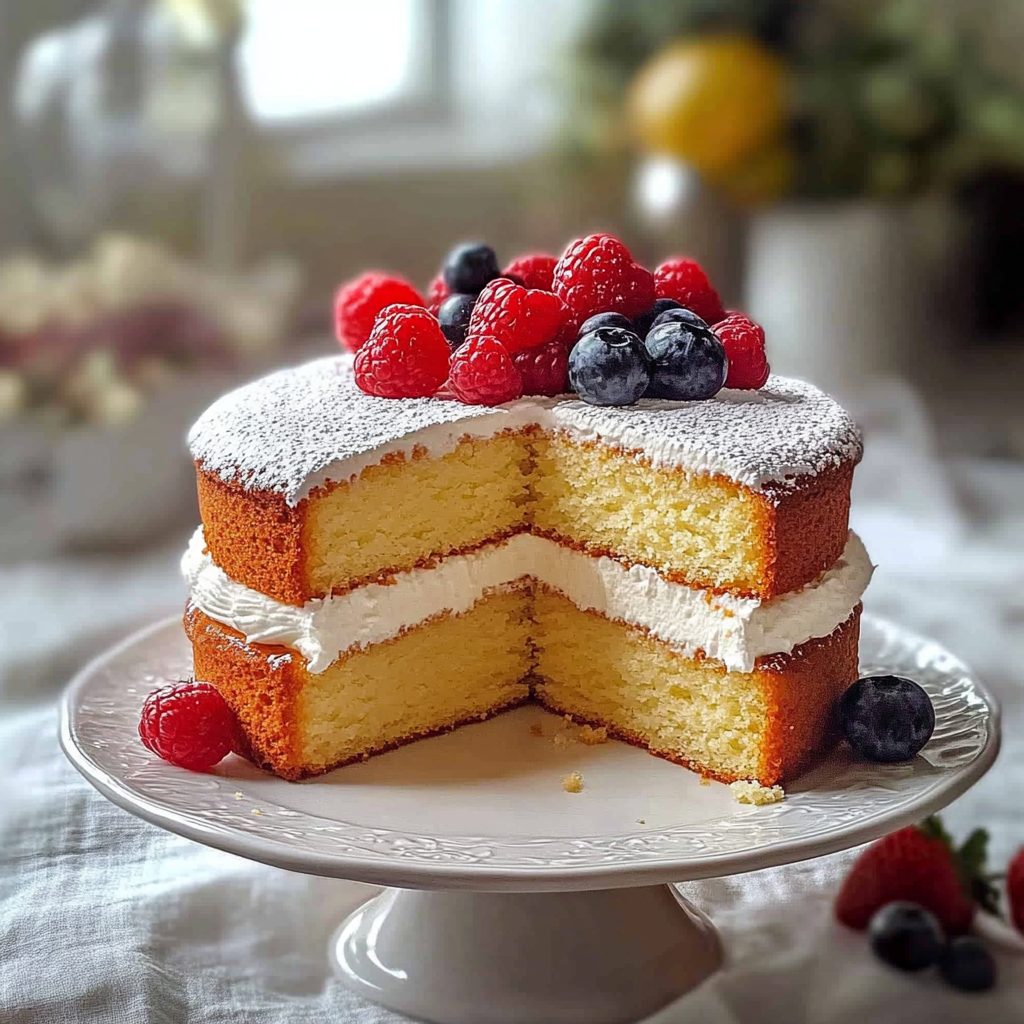
This iconic treat takes its name from Queen Victoria and has become a staple at tea time around the world. Picture yourself savoring each bite alongside a steaming cup of tea or serving it at gatherings with friends and family. With its simple ingredients and straightforward preparation, making a Victoria Sponge Cake at home is both rewarding and enjoyable. Let’s dive into the magic of this classic recipe!
Why You'll Love This Victoria Sponge Cake
- Quick and Easy: Minimal prep time and straightforward steps make this recipe stress-free, even for novice cooks
- Flavorful and Versatile: Enjoy outstanding flavor with ingredients you can easily customize by adding your favorites or adjusting spices
- Perfect for Any Occasion: Ideal for casual gatherings, holiday celebrations, or weeknight dinners

More deliciousness awaits! See what else we’ve got in store!
Ingredients for Victoria Sponge Cake
Here's what you'll need to make this delicious dish:
- Unsalted Butter: Use room temperature butter for the best creaming results; it helps create a light texture.
- Granulated Sugar: This ingredient adds sweetness while contributing to the cake's structure.
- Large Eggs: Fresh eggs bind the ingredients together; use free-range for better flavor.
- All-Purpose Flour: A key ingredient that provides structure; sifted flour ensures a light texture.
- Baking Powder: This leavening agent helps the cake rise beautifully during baking.
- Whole Milk: Use whole milk for added moisture and richness in flavor.
- Vanilla Extract: Pure vanilla extract enhances the overall flavor profile of the cake.
- Strawberry Jam: Choose high-quality jam for spreading between layers; it adds fruitiness and moisture.
- Fresh Whipped Cream: Lightly whipped cream complements the sweetness of the cake beautifully.
The full ingredients list, including measurements, is provided in the recipe card directly below.
How to Make Victoria Sponge Cake
Follow these simple steps to prepare this delicious dish:
Step 1: Preheat Your Oven
Preheat your oven to 350°F (175°C). Grease two round baking pans with butter and line them with parchment paper to prevent sticking.
Step 2: Cream Butter and Sugar
In a large mixing bowl, beat together unsalted butter and granulated sugar until creamy and pale in color. This process should take about five minutes using an electric mixer.
Step 3: Add Eggs
Add large eggs one at a time to the butter mixture while continuing to beat. Ensure each egg is fully incorporated before adding the next.
Step 4: Combine Dry Ingredients
In another bowl, sift together all-purpose flour and baking powder. Gradually add this dry mixture to the wet ingredients while alternating with whole milk. Mix until just combined.
Step 5: Flavor It Up
Stir in pure vanilla extract for added flavor. Be careful not to overmix; you want a light batter.
Step 6: Bake
Divide the batter evenly between prepared pans. Bake in your preheated oven for about 25-30 minutes or until golden brown and a toothpick inserted into the center comes out clean.
Transfer to plates and drizzle with sauce for the perfect finishing touch.

Your next meal is waiting! Check out this recipe for more ideas!
Tips and Tricks
Here are some helpful tips to ensure the best results for your dish:
- Room Temperature Ingredients: Ensure all ingredients are at room temperature before mixing; this helps achieve better consistency.
- Avoid Overmixing: Mix just until combined to maintain that fluffy texture characteristic of sponge cakes.
- Cooling Time: Allow cakes to cool completely in their pans before transferring them onto wire racks; this prevents breakage.
How to Serve Victoria Sponge Cake
This Victoria Sponge Cake is versatile and pairs wonderfully with:
- Fresh Berries: The tartness of berries enhances the sweetness of the cake, providing a delightful contrast.
- Whipped Cream: A dollop of whipped cream adds a rich, creamy texture that complements the lightness of the sponge.
- Tea or Coffee: A warm beverage serves as a perfect accompaniment, enhancing the flavors of this classic dessert.
Feel free to pair it with your favorite sides for a personalized meal!

Why stop here? Explore more recipes to tickle your tastebuds!
Make Ahead and Storage
- Make Ahead: You can prepare the Victoria Sponge Cake layers up to a day in advance. Allow them to cool completely before wrapping tightly in plastic wrap and storing at room temperature.
- Storing: Store leftover cake in an airtight container at room temperature for up to three days. For longer storage, refrigerate it for up to a week or freeze it wrapped well for up to three months.
- Reheating: To reheat, place slices in a microwave for about 10-15 seconds until warmed through. Alternatively, warm in an oven at 350°F (175°C) for about 5 minutes to maintain its texture.
Suggestions for Victoria Sponge Cake:
Use Fresh Ingredients
Using fresh ingredients is crucial for a successful Victoria sponge cake. Make sure your eggs are at room temperature and your butter is softened. This helps the cake batter to blend smoothly, creating a light texture. Stale or expired ingredients can lead to a dense and unappetizing cake. Always check the expiry dates on your baking supplies and opt for high-quality flour and sugar. Fresh berries or jam can elevate the flavor, so choose ripe fruits that are in season. Using fresh ingredients not only enhances taste but also improves the overall appearance of your cake.
Measure Accurately
Accurate measurements are vital when baking a Victoria sponge cake. A small difference in ingredient ratios can significantly affect the texture and rise of your cake. Always use measuring cups and spoons specifically designed for dry and liquid ingredients to ensure precision. Baking by weight, using a kitchen scale, provides even more accuracy. Make sure to level off your measurements when using dry ingredients like flour or sugar, as heaping scoops can lead to an overly dense cake. Consistent measuring practices will help you achieve perfect results every time.
Avoid Overmixing
Overmixing the batter is one of the biggest mistakes when making a Victoria sponge cake. When you mix too much, you develop gluten in the flour, which leads to a tough texture instead of a light one. Mix just until the ingredients are combined and avoid any visible lumps of flour in the batter. This ensures that air pockets remain in the mixture, allowing your cake to rise beautifully during baking. If possible, fold in dry ingredients gently with a spatula after combining wet ingredients to maintain that desired fluffiness.
Keep an Eye on Baking Time
Monitoring baking time is essential for achieving the perfect Victoria sponge cake. Each oven varies in temperature accuracy, so start checking your cake five minutes before the suggested cooking time. To test if it's done, insert a skewer into the center; it should come out clean or with just a few crumbs attached. If it's still wet, give it another few minutes before checking again. Overbaking can lead to dryness while underbaking might result in a soggy center. Precision here will help create that signature soft texture everyone loves.

Ready for another round of deliciousness? Here’s a treat for you!
FAQs:
What is Victoria Sponge Cake?
Victoria sponge cake is a classic British dessert known for its light and airy texture, typically made with equal weights of flour, butter, sugar, and eggs. Named after Queen Victoria, who enjoyed it with her afternoon tea, this delightful treat often features layers filled with sweet jam and whipped cream or buttercream frosting between two sponge layers. The simplicity of its ingredients makes it suitable for various occasions—from birthdays to tea parties—while still being easy enough for novice bakers to master.
How do I store Victoria Sponge Cake?
To store your Victoria sponge cake properly, first let it cool completely on a wire rack after baking. Once cooled, wrap it tightly in plastic wrap or place it in an airtight container to maintain its moisture and freshness. Ideally, keep it at room temperature if you plan to consume it within three days; otherwise, refrigeration is advisable for longer storage periods but may slightly alter its texture. If you have leftover slices, they freeze well too—just wrap them individually before placing them in an airtight freezer bag.
Can I customize my Victoria Sponge Cake?
Absolutely! Customizing your Victoria sponge cake is part of the fun of baking. You can experiment with different fillings such as lemon curd or chocolate ganache instead of traditional jam and cream. Adding extracts like vanilla or almond will enhance flavor as well; just be cautious not to overpower the delicate taste of the sponge itself. You can also incorporate fruits like strawberries or raspberries into your filling for added freshness and color—a great way to tailor this classic recipe to suit seasonal tastes!
Why did my Victoria Sponge Cake sink?
If your Victoria sponge cake sinks in the middle after baking, several factors may be at play. One common cause is underbaking; ensure you bake until fully cooked through by performing doneness tests like inserting a skewer into the center of the cake. Another possibility could be overmixing; excessive mixing develops gluten which can make cakes dense rather than light and airy—leading them to collapse once out of the oven's heat influence. Lastly, check that you're using fresh leavening agents like baking powder since expired products won’t provide sufficient lift.
Need more inspiration? Dive into these tasty ideas!
Conclusion for Victoria Sponge Cake:
In summary, mastering the art of making a delicious Victoria sponge cake requires attention to detail from ingredient selection to baking techniques. Remember to use fresh ingredients for enhanced flavor and measure accurately for perfect ratios that contribute to that iconic fluffy texture. Avoid overmixing while preparing your batter and keep an eye on baking times to prevent undercooking or overbaking issues. With these tips in mind—and some creativity—you'll be well on your way to impressing friends and family alike with this delightful treat! Enjoy experimenting with flavors while ensuring that every bite remains true to its classic roots!
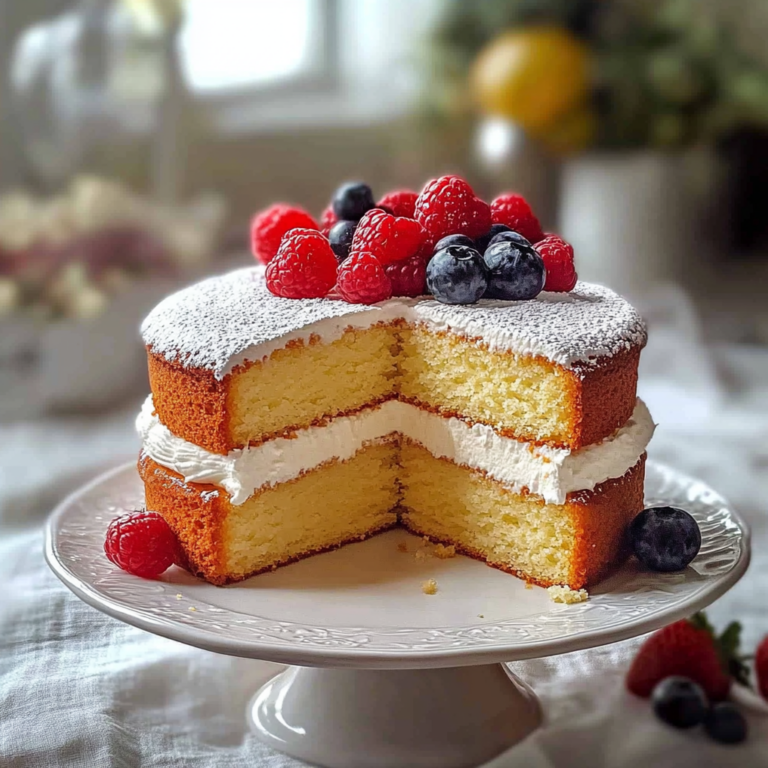
Classic Victoria Sponge Cake
Victoria Sponge Cake is a beloved classic that embodies the essence of British baking. With its light, airy sponge and luscious layers of strawberry jam and whipped cream, this cake is perfect for any occasion—be it afternoon tea or a festive gathering. Easy to prepare, it promises a delightful treat that will impress family and friends alike.
- Total Time: 50 minutes
- Yield: Serves approximately 8 slices 1x
Ingredients
- 1 cup unsalted butter (room temperature)
- 1 cup granulated sugar
- 4 large eggs
- 2 cups all-purpose flour (sifted)
- 2 tsp baking powder
- ½ cup whole milk
- 2 tsp vanilla extract
- ½ cup strawberry jam
- 1 cup fresh whipped cream
Instructions
- Preheat your oven to 350°F (175°C). Grease and line two round baking pans.
- In a mixing bowl, beat the butter and sugar until creamy and pale.
- Add the eggs one at a time, mixing well after each addition.
- Sift together flour and baking powder; gradually add to the mixture alternately with milk. Mix until just combined, then stir in vanilla.
- Divide the batter between pans and bake for 25-30 minutes or until golden brown and a toothpick comes out clean.
- Cool completely before assembling with layers of jam and whipped cream.
Notes
For added flavor, consider incorporating lemon zest or almond extract into the batter.
You can substitute the strawberry jam with raspberry or apricot for a unique twist.
Ensure all ingredients are at room temperature for optimal mixing.
- Prep Time: 20 minutes
- Cook Time: 30 minutes
- Category: Dessert
- Method: Baking
- Cuisine: British
Nutrition
- Serving Size: 1 slice (75g)
- Calories: 285
- Sugar: 20g
- Sodium: 150mg
- Fat: 14g
- Saturated Fat: 8g
- Unsaturated Fat: 5g
- Trans Fat: 0g
- Carbohydrates: 35g
- Fiber: 0g
- Protein: 4g
- Cholesterol: 70mg
Keywords: - For added flavor, consider incorporating lemon zest or almond extract into the batter.- Substitute strawberry jam with raspberry or apricot for a unique twist.- Ensure all ingredients are at room temperature for optimal mixing.