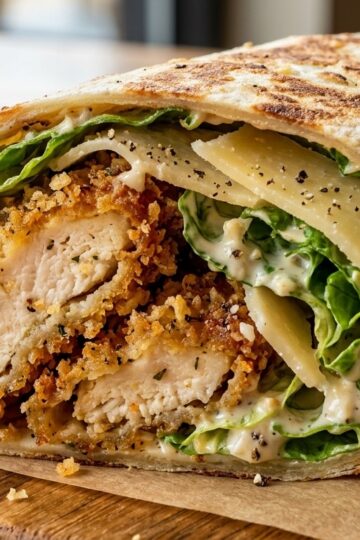
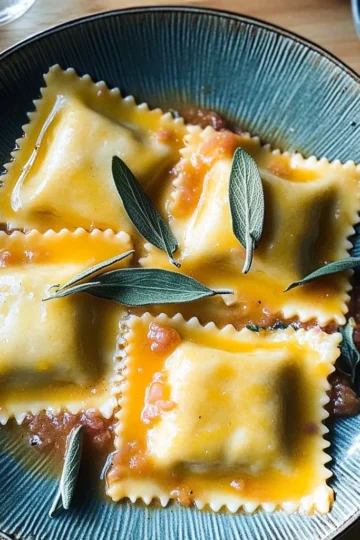
Imagine sinking your teeth into a spicy, savory bite of kimchi that dances on your tongue, followed by the tender embrace of bulgogi's sweet and smoky marinated beef. The best Korean food isn’t just a meal; it’s an experience that tickles your senses and transports you straight to the bustling streets of Seoul, where every dish tells a story bursting with flavor.
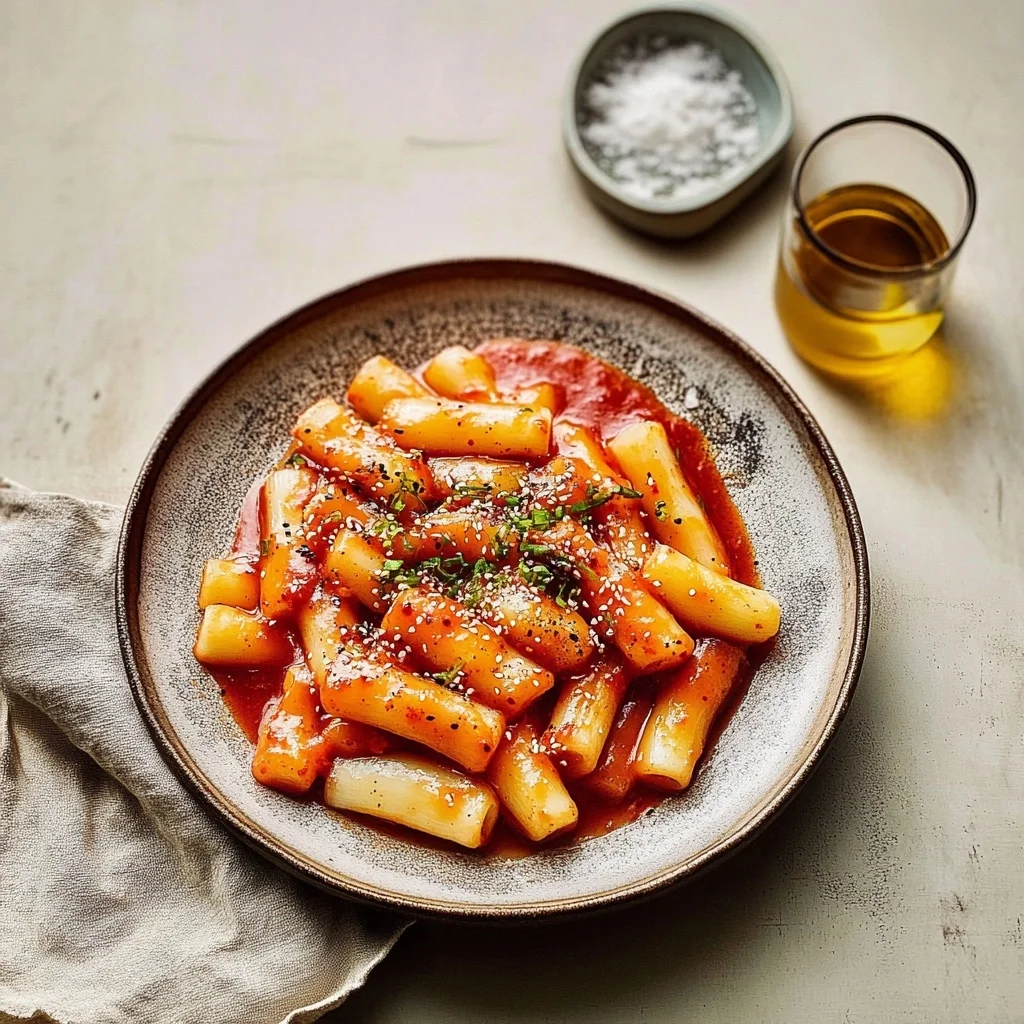
As I recall family gatherings filled with laughter and mouthwatering aromas wafting through the air, I can’t help but smile at the unforgettable moments shared over a hot pot of sundubu-jjigae. Whether it’s a cozy dinner with friends or a festive celebration, indulging in these traditional recipes promises an explosion of taste that will leave you craving more.
Why Is best korean food So Irresistibly Good?
Bold flavors come alive with tender, thinly sliced beef, marinated in a rich blend of soy sauce and sesame oil. Fermented goodness from kimchi adds a zesty kick that enhances every bite. Versatile veggies like spinach and carrots make each bowl a colorful feast. Quick prep with only 30 minutes of hands-on time ensures you’ll whip this up for any occasion. Crowd-pleasing appeal means your family and friends will be coming back for seconds!
best korean food Ingredients
- For the Beef
- 500 grams Beef (ribeye or sirloin) – Thinly sliced for Korean BBQ, this tender cut brings rich flavor to your dish.
- For the Kimchi
- 200 grams Kimchi – Fermented napa cabbage that adds a tangy crunch and probiotic goodness, perfect for enhancing the meal.
- For the Rice
- 2 cups Cooked rice – Essential for serving with bibimbap, it balances the flavors and provides a satisfying base.
- For the Vegetables
- 1 cup Vegetables (spinach, carrots, zucchini) – Fresh and colorful toppings for bibimbap that bring nutrition and texture to your plate.
- For the Marinade
- 4 tablespoons Soy sauce – This salty component enhances the beef marinade, giving it depth and complexity.
- 2 tablespoons Sesame oil – Adds a nutty flavor that elevates all ingredients in your dish.
- 1 tablespoon Sugar – Balances the savory notes in the marinade for a well-rounded taste.
- 3 cloves Garlic (Minced) – Provides aromatic warmth to the beef, making every bite unforgettable.
- 1 teaspoon Ginger (Minced) – Offers a zesty kick that complements the other flavors beautifully.
- For the Garnishes
- 2 tablespoons Sesame seeds – Sprinkled on top for a delightful crunch and visual appeal in your best Korean food experience.
- 2 stalks Green onions (Chopped) – Freshly chopped to add a pop of color and mild onion flavor as a finishing touch.
Directions: best korean food

1. Marinate the Beef: In a mixing bowl, combine 4 tablespoons soy sauce, 2 tablespoons sesame oil, 1 tablespoon sugar, 3 cloves minced garlic, and 1 teaspoon minced ginger. Add the 500 grams of thinly sliced beef and let it marinate for at least 30 minutes to absorb those delicious flavors.
2. Prepare the Vegetables: Blanch the spinach in boiling water for about 1 minute until vibrant green. Then, sauté the carrots and zucchini in a wok over medium heat until tender and slightly caramelized. Set aside your colorful vegetables for the bibimbap.
3. Cook the Beef: Preheat your grill to a medium-high temperature. Grill the marinated beef slices for about 2-3 minutes on each side until they develop a lovely char and are cooked to your liking. The aroma will be irresistible!
4. Assemble Bibimbap: In a bowl, place a generous serving of cooked rice as your base. Top it with the grilled beef, sautéed vegetables, and a hearty scoop of kimchi for that tangy kick. Finally, garnish with 2 tablespoons of sesame seeds and chopped green onions for added crunch and flavor.
Optional: Drizzle with extra sesame oil for an additional layer of richness.
Exact quantities are listed in the recipe card below.
Expert Tips
- Beef Selection: Use high-quality ribeye or sirloin for the best flavor and tenderness. Thinly slicing the beef against the grain ensures a melt-in-your-mouth experience.
- Marinating Time: Allow the beef to marinate for at least 30 minutes, but for deeper flavor, marinate it overnight in the fridge.
- Veggie Prep: Don’t skip blanching the spinach; it enhances color and texture. Sauté vegetables just until tender to maintain their vibrant crunch.
- Grilling Temperature: Preheat your grill well before cooking. A hot grill will give you that perfect sear on the beef, enhancing its flavor in this best korean food dish.
- Serving Style: Assemble bibimbap ingredients in a visually appealing way. Layering colors makes your dish more inviting and appetizing!
- Kimchi Balance: Ensure to balance the spicy tang of kimchi with the milder flavors of rice and beef—this harmony is key to enjoying authentic Korean cuisine!
How to Store and Freeze best korean food
- Fridge: Store leftover beef, kimchi, and vegetables in airtight containers for up to 3 days to maintain freshness and flavor.
- Freezer: For long-term storage, freeze cooked beef and rice separately in freezer-safe bags for up to 2 months.
- Reheating: Thaw overnight in the fridge, then reheat beef and rice in a skillet over low heat until warmed through.
- Kimchi: Keep kimchi in its original container or a tightly sealed jar; it can last several weeks in the fridge and often improves with age!
best korean food Your Way
Feel free to let your creativity shine by personalizing this delightful dish to suit your family's taste!
- Spicy Kick: Add gochujang (Korean chili paste) to the marinade for an extra layer of heat. This not only enhances the flavor but also gives a vibrant color to your beef.
- Vegetarian Option: Substitute the beef with firm tofu, marinating it in the same sauce. This will provide a satisfying texture while keeping the essence of Korean cuisine.
- Rice Alternatives: Swap out white rice for brown rice or quinoa for a healthier twist. Both options offer a nutty flavor and add extra nutrients to your meal.
- Kimchi Variations: Experiment with different types of kimchi, like radish or cucumber kimchi, to explore new flavors. Each variety brings its own unique tanginess and crunch.
- Herb Boost: Incorporate fresh herbs like cilantro or perilla leaves as toppings. They can elevate the freshness of your bibimbap and add a lovely aroma.
- Nutty Flavor: Drizzle toasted sesame oil over the finished dish for an additional layer of richness. This simple step can transform the overall taste experience.
- Crunchy Toppings: Add crispy fried shallots or garlic on top for delightful texture. The added crunch will make each bite even more enjoyable!
Make Ahead Options

This bibimbap recipe is perfect for meal prep, allowing you to enjoy the best Korean food throughout the week with minimal effort. You can marinate the 500 grams of thinly sliced beef in the soy sauce, sesame oil, sugar, minced garlic, and ginger for up to 24 hours in advance to enhance its flavor. Additionally, blanching the spinach and sautéing the carrots and zucchini can be done a day ahead; just store them in airtight containers in the fridge for up to 3 days. When you're ready to serve, simply grill the marinated beef for 2-3 minutes on each side and assemble your bowl with cooked rice, sautéed vegetables, kimchi, and garnishes. This streamlined prep ensures that enjoying delicious homemade bibimbap is as easy as it is satisfying!
best korean food Recipe FAQs
How should I select the beef for this recipe?
For the best flavor and tenderness, choose ribeye or sirloin beef. Look for marbled cuts that are thinly sliced; this will ensure they cook quickly on the grill, achieving that perfect BBQ char in just 2-3 minutes per side.
Can I use a different type of kimchi?
Absolutely! While traditional napa cabbage kimchi is ideal for bibimbap, you can experiment with other varieties like radish or cucumber kimchi. Each type brings its own unique flavor profile to the dish, making it a fun way to customize your bibimbap experience.
What vegetables can I substitute for spinach, carrots, and zucchini?
If you're looking to mix things up, feel free to swap in other vegetables such as bell peppers, mushrooms, or bean sprouts. Each vegetable adds its own texture and flavor; just remember to sauté them until tender for the best results.
How should I store leftovers from this bibimbap?
Store any leftovers in an airtight container in the refrigerator for up to 2-3 days. If you have extra beef and vegetables, keep them separate from the rice to maintain freshness and texture. When ready to eat, simply reheat everything in a skillet over medium heat until warmed through.
Can I freeze the marinated beef?
Yes! The marinated beef can be frozen for up to 3 months. Just place it in a freezer-safe bag or container before freezing. When you're ready to cook, let it thaw overnight in the fridge before grilling for optimal flavor retention.
What if my rice is too sticky?
If your rice turns out too sticky, try rinsing it under cold water before cooking next time. This helps remove excess starch. Alternatively, use short-grain brown rice or jasmine rice for a fluffier texture that complements the other ingredients beautifully.
Best Korean Food
Ingredients
Method
- In a mixing bowl, combine soy sauce, sesame oil, sugar, minced garlic, and ginger. Add the sliced beef and marinate for at least 30 minutes.
- Blanch the spinach and sauté the carrots and zucchini in a wok until tender. Set aside.
- Preheat the grill. Grill the marinated beef slices for about 2-3 minutes on each side until cooked to your liking.
- In a bowl, place a serving of rice, top with grilled beef, sautéed vegetables, and kimchi. Garnish with sesame seeds and green onions.